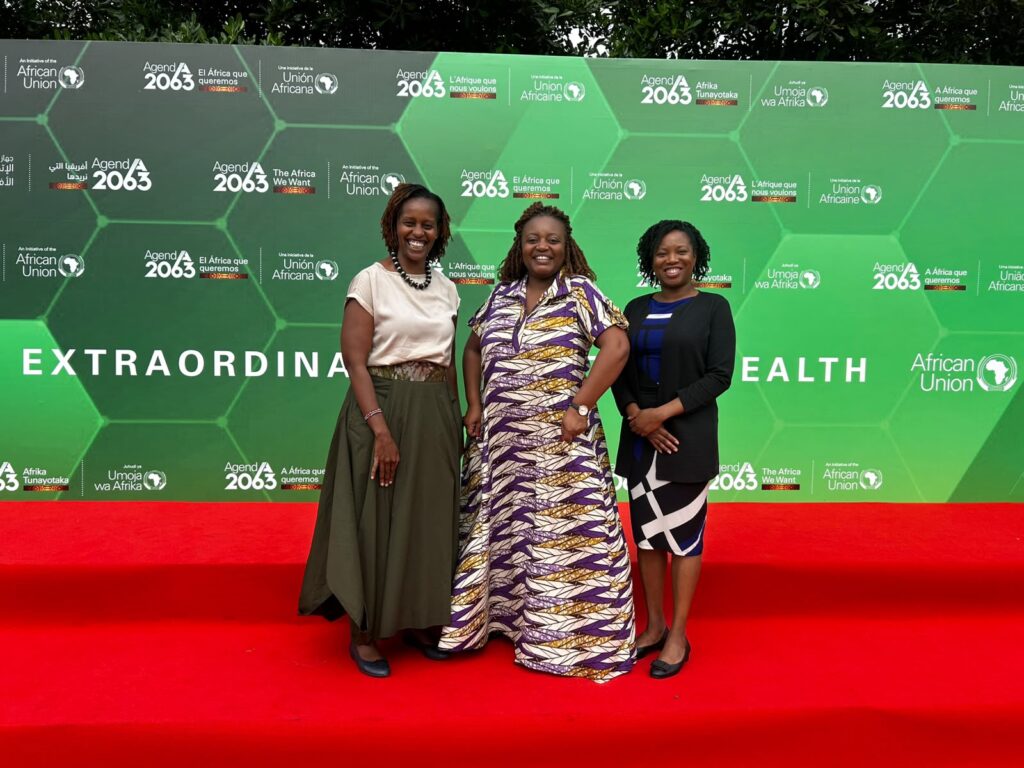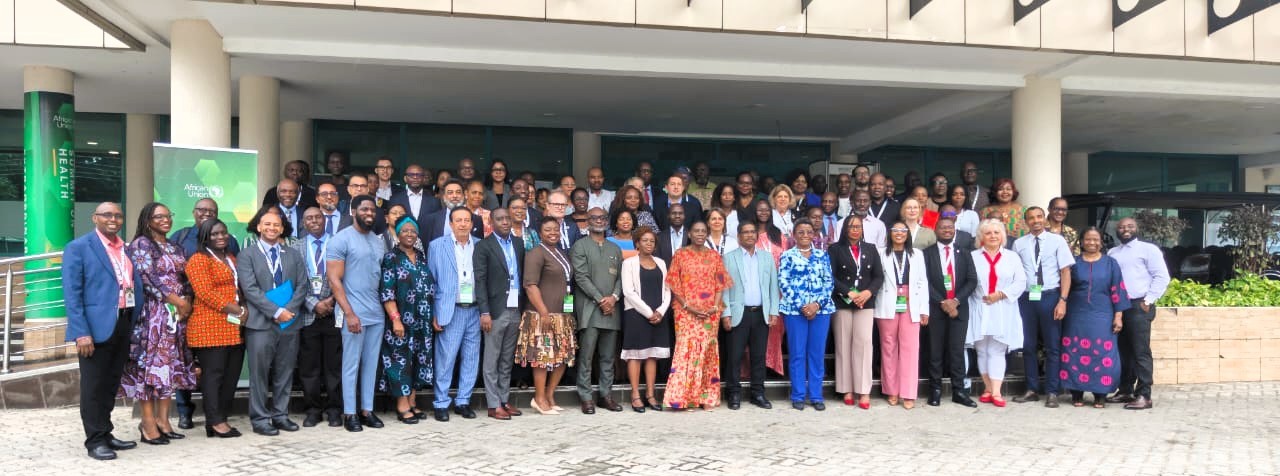
18 Aug From Commitments to Action: Reflections from the African Union Extraordinary Summit
Accra, Ghana | 21-22 July 2026
Africa’s health priorities are interconnected. Ending AIDS, strengthening health systems, improving maternal and child health, ensuring sustainable health financing and strengthening accountability all require sustained political leadership and collective action.
These priorities were at the centre of the 20th Extraordinary Session of the African Union Assembly, convened in Accra, Ghana, on 21-22 July 2026 under the theme of ‘Advancing Justice, Equity and Universal Health Coverage: Ending AIDS, TB, improving maternal health, addressing endemic non-communicable and neglected tropical diseases and conditions in Africa.’
Africa REACH attended the summit, engaging in discussions and activities connected to the continent’s health priorities and the implementation of the AU Roadmap to 2030 and Beyond.
For Africa REACH, the Summit provided an important opportunity to reflect on how continental commitments can translate into meaningful action for children and young people, and how African leadership, domestic resource mobilisation, accountability and partnerships can help move those commitments forward.


From Continental Commitments to Health Impact
The Summit reinforced the importance of resilient and sustainably financed health systems, while bringing the AIDS response, maternal and child health and broader health priorities into a shared continental conversation. For Africa REACH, this connection between continental commitments and national implementation is crucial.
Ending AIDS among children and young people cannot be achieved through HIV-specific interventions alone. It requires health systems that are accessible, responsive and adequately resourced, as well as political leadership and accountability for ensuring that commitments translate into services that reach the people who need them.
The question, therefore, is not only whether Africa has made the right commitments, but whether those commitments are being implemented in ways that deliver measurable improvements in people’s lives.
From Leadership to Lived Impact
One of the most powerful reflections emerging from the Summit came from H.E. John Dramani Mahama, President of Ghana, who captured the importance of translating political commitments into tangible change:
The sentiment speaks to a fundamental principle of effective African leadership. Declarations, strategies and policy commitments create an important foundation for action, while their broader significance is ultimately reflected in how people experience their impact in everyday life.
For healthcare, this means functioning facilities, accessible services, timely diagnosis, available medicines and health systems that are capable of responding to the needs of communities.
It also highlights the importance of accountability in translating commitments into sustained action.
Africa REACH’s work is grounded in this principle. As an African-led advocacy platform championing accountability, Africa REACH works to strengthen political leadership and collective action to advance progress towards ending AIDS among children and young people.
The Summit highlighted the important role of African leadership in articulating health priorities, mobilising resources and strengthening accountability around implementation.
Financing Africa’s Health Future
Sustainable health financing was another important thread running throughout the Summit.
Conversations touched on commitments under the Abuja Declaration and the Africa Leadership Meeting on Investing in Health, while highlighting innovative financing mechanisms, including the Programme for Financing and Investing in Africa’s Health (PIFAH). Discussions also emphasised stronger domestic investment, improved public financial management, African ownership of health priorities and reducing dependence on external funding.
These commitments reinforce the importance of sustained domestic resource mobilisation as more than a technical financing issue.
Fundamentally, domestic resource mobilisation is about whether countries have the resources and systems to sustain the health services their populations need, and whether those resources are being directed towards equitable and effective health outcomes.
For children and young people living with or at risk of HIV, sustainable financing is essential to maintaining prevention, testing, treatment and care, while strengthening the wider health systems that support these services.
This is closely aligned with Africa REACH’s work to strengthen advocacy for sustainable domestic health financing. Through our Domestic Resource Mobilisation Toolkit and accompanying advocacy work, Africa REACH helps support advocates and organisations to engage more effectively in conversations about financing, accountability and African ownership of health priorities.
From Data to Accountability
The Summit also provided an opportunity to highlight the role of evidence and data in strengthening domestic resource mobilisation advocacy.
A Domestic Resource Mobilisation Dashboard was launched on the margins of the Summit through African Renaissance Re-imagining Tomorrow, together with the Jakaya Mrisho Kikwete Foundation.
The Dashboard connects naturally with Africa REACH’s work to strengthen advocacy around sustainable domestic health financing.
Data helps us understand where we are. Evidence helps us understand why it matters. Advocacy helps us ask what needs to change. Accountability asks whether change is actually happening.
This is why practical advocacy resources such as the Africa REACH Domestic Resource Mobilisation Toolkit are important. They can help translate complex financing conversations into information and tools that advocates can use to engage decision-makers and partners to advance change.
As African countries work towards stronger and more sustainable health systems, the continent needs both the evidence to understand its progress and the advocacy and accountability mechanisms to ensure that evidence informs action.

Partnership as a Pathway to Progress
Africa’s health priorities cannot be addressed in isolation.
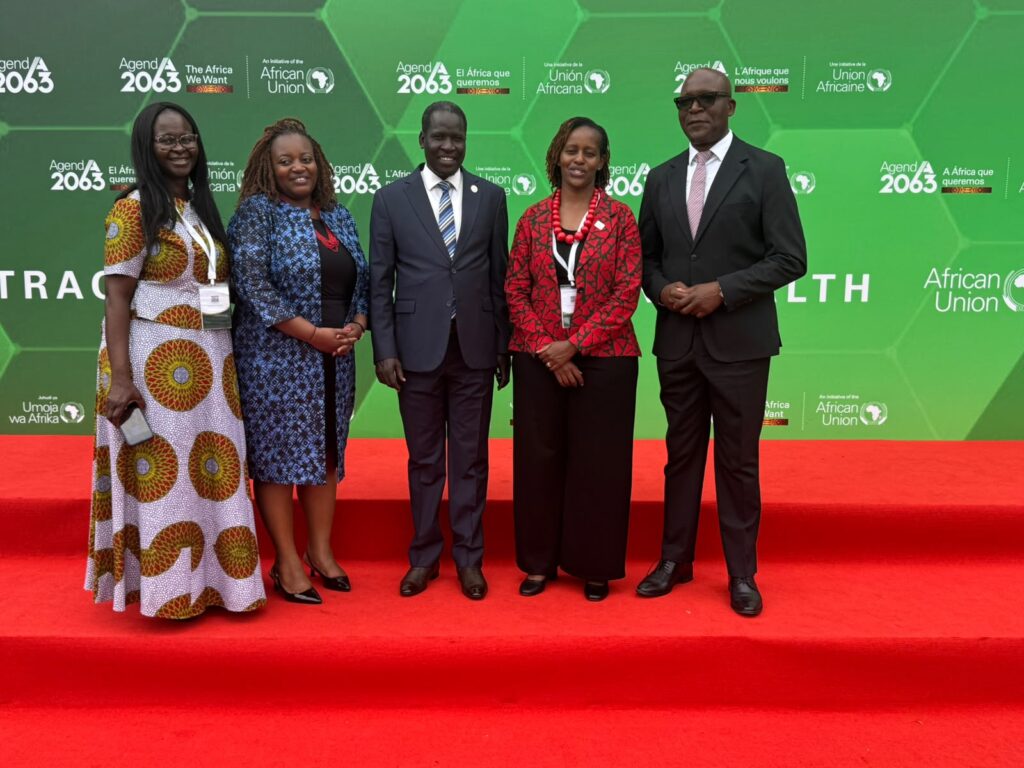
The Summit also provided an opportunity for Africa REACH to engage with partners across the continental health and gender architecture, including through our ongoing collaboration with the African Union Commission and CARMMAPlus.
These partnerships create opportunities to connect advocacy for children and young people with broader continental conversations around health systems, maternal and child health, sexual and reproductive health and rights, domestic resource mobilisation and accountability.
From an Africa REACH perspective, African-led partnership is about bringing together different areas of expertise, influence and experience around shared priorities, while ensuring that advocacy remains grounded in the realities of communities.
Our engagement with continental partners is an important part of strengthening the policy and advocacy environment needed to advance progress for children and young people.
From Commitments to Accountability
The African Union Extraordinary Summit was an important reminder that Africa has no shortage of commitments, frameworks or ambitions for improving health outcomes.
The challenge is ensuring that these commitments are translated into sustained investment, effective implementation and measurable results.
For Africa REACH, this means continuing to contribute to conversations around African leadership and accountability, sustainable domestic investment in health, resilient health systems and policies that recognise the needs and rights of children and young people.
The Summit’s conversations around health financing, leadership, accountability and partnership reinforce a message at the heart of Africa REACH’s work: ending AIDS among children and young people requires more than commitments. It requires sustained African leadership, investment and accountability to turn those commitments into action.
As the continent moves towards 2030 and beyond, Africa REACH will continue to work with African leaders, civil society, young people and partners to help ensure that health commitments are not only made, but implemented, monitored and felt by the communities they are intended to serve.